For a long time, I didn’t think much about what shaped the way I live with hemophilia.
I grew up learning how to manage my bleeding disorder in hospitals, emergency rooms, and infusion chairs. I learned to find a vein before most kids learned their multiplication tables. I missed school because of bleeds, sat out of gym class, and learned early how to explain to others that no, that paper cut won’t be the end of me.
For a long time, that was just normal.
It’s only looking back that I can see how much of my experience had nothing to do with medicine at all. It’s the people. The moments where I felt understood. And the moments where I didn’t.
Hemophilia is rare and growing up with something rare means that most of the time, you’re the only one. The only kid in your class. The only family in your town. The only person in the emergency room who knows exactly what’s happening in your body, even when the professionals don’t.
That kind of isolation shapes you.
I was lucky in one important way. I had a brother with hemophilia. We didn’t talk about it in any profound way. We just lived it together. He didn’t treat me like I was fragile, we roughhoused, we played, and if one of us got hurt, chances were that it was the other one who did it.
That mattered more than I understood at the time. Because it meant I wasn’t alone.
Still, most of the world didn’t quite know what to do with us. I grew up in a small town, and while my family did their best to do it all right, the system didn’t always meet us halfway. I remember long waits in emergency rooms, multiple failed attempts to access a vein, and the quiet anxiety that comes from knowing you need treatment but wondering whether you’ll actually get it.
There was one hospital we never went back to, after a doctor dismissed a bleed I was actively limping on. We walked out untreated. I was probably seven or eight, and even then I remember thinking: why would I make this up?
I also remember the contrast. A nurse at another hospital who knew hemophilia. Who welcomed us. Who trusted us. When she was on shift I’d be in, out, and home within the hour. Same condition. Same kid. Completely different experience.
That difference stays with you.
For a long time, though, I didn’t fully understand how much those experiences mattered, because something else happened that changed everything.
Camp.
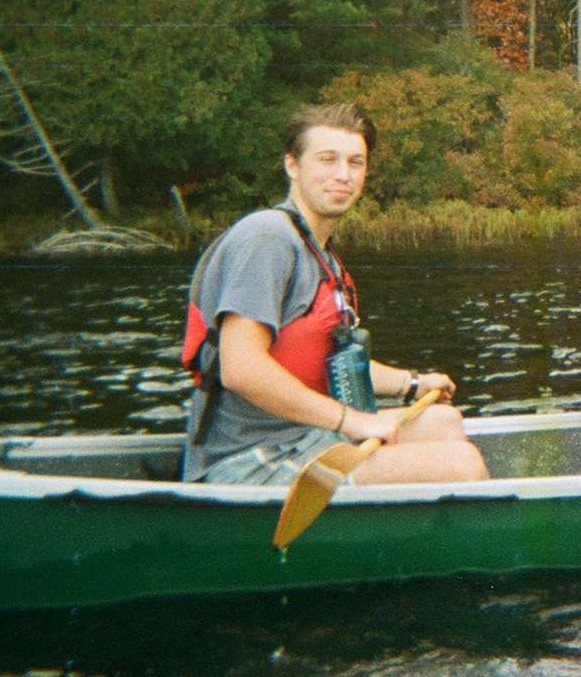
I was seven years old when I went for the first time. And for the first time in my life, I met other kids like me. Not just kids with hemophilia, but older kids. Teenagers. The “cool” ones. The ones who played sports, joked around, and could self-infuse like it was nothing.
To me, self-infusion is freedom. It’s independence, your keys to the kingdom.
At camp, hemophilia wasn’t something to hide. It wasn’t something that made me “different” in a bad way. It was the thing we had in common. It was a language we all spoke without explaining.
That was the first place I wore my hemophilia like a badge of honour, and I never looked back.
I went back to camp for over fifteen summers. I learned. I grew. I was mentored. And eventually, I became someone others looked up to. Without realizing it, I crossed a quiet line, from the kid who needed to see it was possible, to the person showing others that it was. It helped me finally love and accept myself for who I was.
That’s the power of connection.
Now, I live in a different chapter of hemophilia history. My treatment allows me to infuse a fraction of what I once did. I work full-time. I’m active. I manage my care independently. On paper, things look easy.
But I don’t forget where that came from.
I also don’t forget that not everyone’s experience looks like mine, even today. I talk to parents who are scared. Kids who are frustrated. Teens who are tired of feeling different. Adults who still hesitate before going to the ER because of what happened in the past.
The science has changed dramatically, but experience still matters.
What I’ve learned, both as someone living with hemophilia and now working within this community, is that the biggest difference between us isn’t severity, factor levels, or treatment type. It’s whether we felt supported in moments of need. Whether someone listened. Whether someone believed us.
Connection changes outcomes.
When people with bleeding disorders meet each other, really meet each other, something shifts. Fear softens. Confidence grows. The weight becomes easier to carry when you realize you aren’t carrying it alone.
I was inspired by people ahead of me. People who showed me, often without realizing it, what was possible. And now I see my role as helping make sure no one feels like they have to figure this out on their own.
I don’t mean to romanticize hemophilia. I know the fear, the frustration, and the unfairness that comes with it, and I know that I’ve had it much easier than those who came before me. But I am grateful for the life it’s given me. For the people I’ve met. For the perspective it’s shaped. For the community that raised me, challenged me, and continues to remind me that connection matters.
This is why I believe so deeply in sharing our stories. Not because they are perfect or inspirational, but because they are real. And because somewhere in them, someone else might recognize themselves and feel a little less alone.